Top to Sanctuary: Perfecting Moisture Repair Methods
Water-related issues can strike unexpectedly, leaving property owners and companies reeling from the aftermath. Whether it's a leaky roof, a broken pipe, or flooding issues, the impact can be devastating. Understanding the details of water damage restoration is essential for efficient recovery. In this journey from destruction to restoration, Swept Away Water Damage Restoration stands out as a leading service, offering advanced techniques and specialized services to navigate the issues of water damage.
Restoring a property to its original state requires more than just drying out the affected areas. It calls for a holistic approach that involves meticulous inspection, quick intervention, and advanced tools. Swept Away Water Damage Restoration is dedicated on mastering these techniques, ensuring that all stages in the restoration process is executed with care and attention to detail. The goal is not only to eliminate the obvious evidence of water damage but also to tackle invisible threats and prevent future problems, transforming spaces from disaster zones back into comfortable places.
Grasping Water Damage
Moisture-related damage is a frequent yet serious issue that can affect residences and enterprises alike. It can occur from various sources, including natural disasters such as floods and intense precipitation, as well as internal factors like burst pipes, roof leaks, and malfunctioning appliances. Understanding the cause and extent of water damage is essential in order to address it properly and lessen long-term consequences.
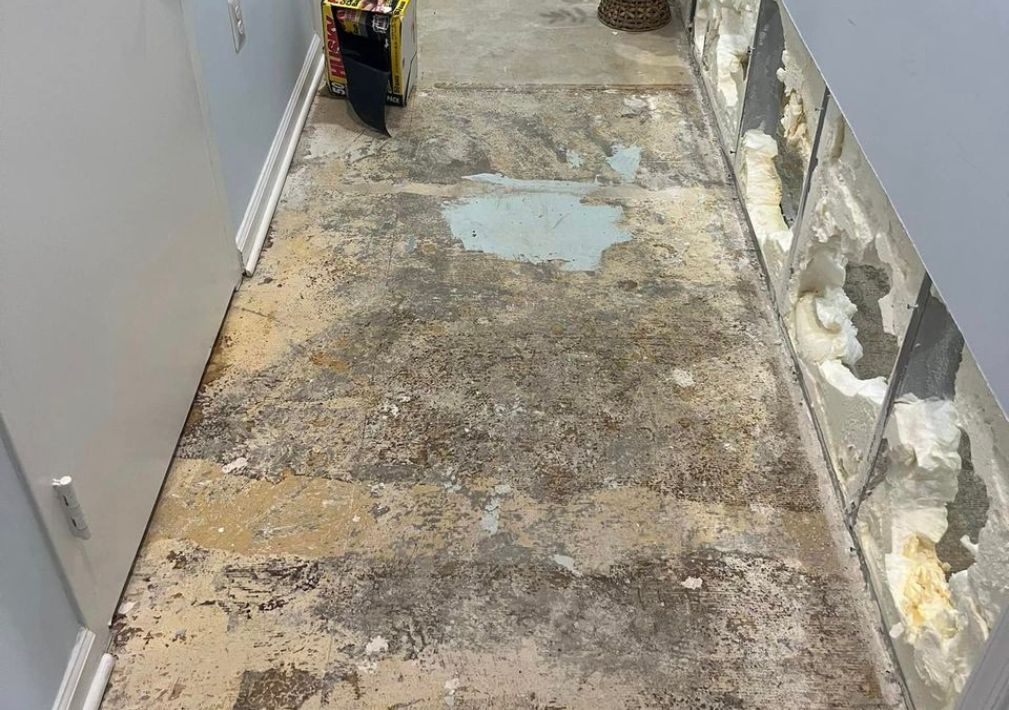
The effect of water damage can be immediate and catastrophic. Structural elements of a structure, like partitions, overheads, and floors, can sustain damage when exposed to high levels of moisture. Additionally, water can seep into electrical systems, leading to further hazards. Noticing the indicators of water damage early, such as discoloration on ceilings and walls, musty odors, or mold growth, is essential for lessening risks and ensuring the protection of the inhabitants.
Moreover, the aftermath of water damage often calls for expert intervention. While some minor issues can be fixed with DIY methods, extensive water exposure necessitates comprehensive restoration work. Companies that specialize in water damage restoration, like Swept Away Water Damage Restoration, hire specialists who know the intricacies of dehumidifying, removing humidity, and restoring affected areas. Their experience provides that properties are rehabilitated successfully, avoiding the risk for further problems.
Restoration Techniques Summary
Flood damage restoration requires a systematic methodology to effectively reduce the effects of water intrusion or leaks. The procedure starts with a thorough assessment and inspection of the damaged areas. Experts from Swept Away Water Damage Restoration utilize advanced equipment to detect the source of water intrusion and determine the extent of damage. This step is vital as it aids to formulate a customized action plan for recovery, making sure all damaged materials are considered and handled properly.
Once the evaluation is finished, the removal of liquid proceeds next. This phase involves using powerful pumps and vacuum systems to extract pooled water from the property. The quicker this step is carried out, the lower likelihood of damage can happen, which helps to reduce mold growth and structural weakening. After removal, equipment such as air movers and dehumidifying machines is deployed to efficiently remove moisture from the remaining moisture in walls, surfaces, and furniture, which is essential for successful restoration.
The final steps concentrate on cleaning and disinfecting the affected areas. mold removal Talent stresses the significance of this phase to avoid any remaining health risks associated with exposure to water. Various cleaning solutions and antimicrobial treatments are used to eliminate bacteria and odors, guaranteeing a safe and healthy environment. After finishing the cleaning, repairs and restoration of damaged buildings and items are carried out, enabling the area to revert to its original condition.
Prevention and Maintenance Techniques
Avoiding water damage begins with regular maintenance of your home. Examine areas prone to leaks, such as the roofing system, rain gutters, and plumbing systems. Clean gutters and downspouts to guarantee proper drainage, and look for any indicators of deterioration or harm. Sealing cracks in the basement and walls can stop water from leaking into the home, and regular checks on devices like kitchen appliances and washing machines can identify potential issues in advance.
Creating a water damage emergency plan can further reduce the effects of unexpected leaks or floods. Assign key individuals responsible for acting to water emergencies, and ensure they are aware how to turn off the main water supply. Keeping emergency supplies on hand, such as water extraction tools and moisture detectors, can significantly accelerate the response time and minimize overall damage. Additionally, investing in sump pumps or water alarms can provide additional protection against flooding.
Finally, maintaining a controlled indoor environment helps curb moisture buildup and mold growth. Using dehumidifiers in humid areas and providing proper ventilation can regulate humidity levels. Consistently monitoring and servicing HVAC systems can also contribute to ensuring optimal air quality. By being proactive with these techniques, homeowners can considerably reduce the risks associated with water damage and make sure their living spaces remain secure and pleasant.
 Address: 368 Nerton St, Talent, OR 97540, United States Phone: +1 541-821-3664 Hours: Open 24 hours